
Buses
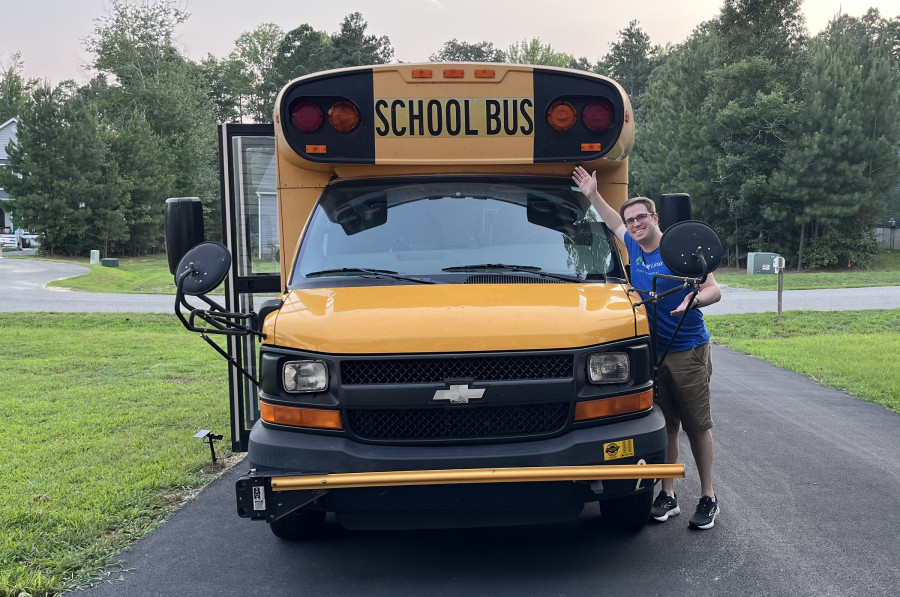
I have liked buses for about as long as I can remember. I was the kid paying attention to the entrance door, warning lights, dashboard switches, destination signs, and all the noises coming from underneath the floor.
One of my earliest bus memories is from preschool. My program was held at a high school, and one day a school bus was parked outside with its door open. I climbed aboard, sat in one of the front seats, and apparently never got the subject out of my system.
Years later I earned a CDL and went to work as a bus driver. In 2015 I joined Disney Transport, where I learned to drive Gillig and Nova transit buses and discovered how much work goes into making a bus ride feel completely uneventful. After that I helped start a passenger transportation company, bought buses, dealt with their maintenance and paperwork, and learned that the purchase price is usually the least surprising bill.
I eventually came back around to school buses—the type that started the whole interest—except this time I was looking at them from the driver’s seat.
Here is the longer version of my bus story.
The parts I remember best
Driving for Disney Transport
This was where liking buses turned into actually knowing how to operate one. I write about getting my CDL, the Gillig and Nova buses I drove, structured training, mirror habits, and what stayed with me afterward.
Buying buses and starting a transportation company
Employer-owned buses arrive fueled, insured, inspected, scheduled, and maintained. Owning the bus means finding out who did all of that work—and then realizing the answer is now you.
Coming back to school buses
School-bus driving brought me back to where the interest began, but pupil transportation is very different from carrying adults on transit or charter work.
The buses themselves
This is where I intend to record individual vehicles: what they were, why they were bought, what broke, what was changed, and what I would do differently next time.
Notes from driving
These pages are explanations of subjects I care about, written from what I have learned in training and behind the wheel. They are not a substitute for a CDL manual, an employer’s procedures, or instruction in the actual bus you are driving.
- What getting a CDL does—and does not—teach you
- What the rear wheels and tail are doing while you turn
- How I think about mirrors and space around a bus
- Air brakes without treating the warning systems as trivia
- Loading and unloading passengers
- Backing a bus when avoiding it is no longer an option
- Making a pre-trip an inspection instead of a recital
- Why a DVIR and a Virginia school-bus inspection are not the same thing
- The ordinary decisions behind most preventable incidents
- Why demonstrations beat reading slides aloud
Notes from owning them
Driving a bus teaches you to notice how it behaves. Owning one teaches you to notice tire dates, old wiring, water around emergency exits, parts availability, maintenance records, and every unfamiliar sound.
- What I look for in a government auction listing
- Inspecting a used bus before it becomes your problem
- Old wiring, accessories, grounds, relays, radios, and PA systems
- Paint, vinyl, lettering, and the work created by changing a bus’s appearance
- Seats, capacity, and the expensive luxury of working air conditioning
- Remembering what was repaired after everyone else forgets
- What the bus costs after you have paid for the bus
Why put all of this online?
Because small details disappear. Fleets change, companies close, old buses get scrapped, dashboards are redesigned, and stories slowly get reduced to “I used to drive buses.” I want to keep more than that.
This section is unfinished and probably always will be. That is fine. I would rather keep adding photographs, vehicle histories, odd details, and things learned the hard way than pretend it is a finished guide to the entire bus industry.